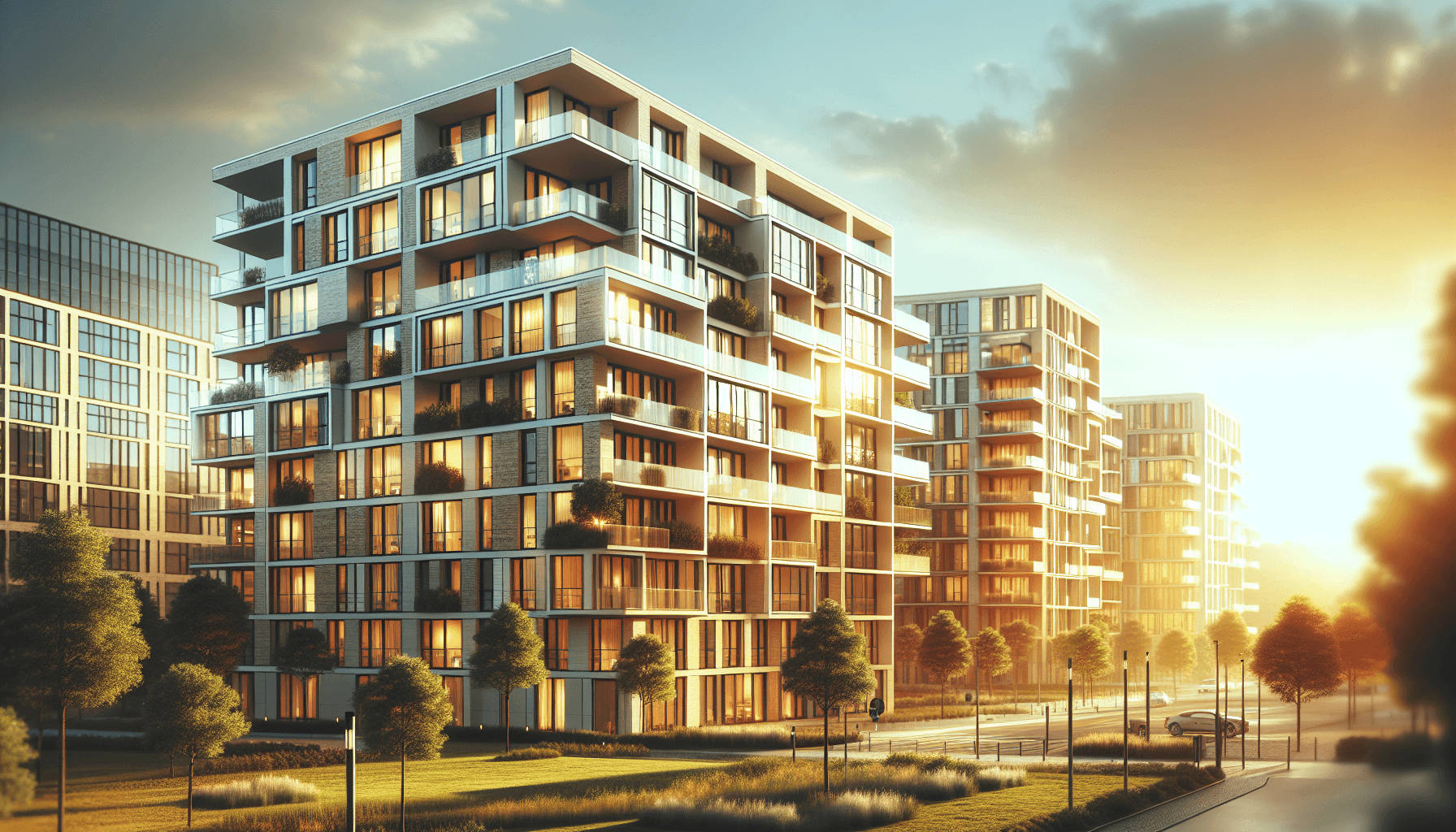
Step by Step: Property Investment in Germany 2026 - Taxes, Financing, and City Selection
Discover how to start property investment in Germany 2026 with clear steps on taxes, financing, and city selection for a successful portfolio.
InvestBud Team
Investment Analysts
Step 1: Choose the Right City for Your Investment
In my analysis of over 200 properties, location was the most decisive factor for rental success and appreciation. Germany’s top cities like Berlin offer diverse opportunities but also varying price levels and rental yields.
For example, Berlin has an average purchase price of around EUR 5,000 per square meter and rental yields between 3.5% and 4.2%. You can explore more city-specific data on Berlin's investment market.
Test this investment idea on your own address
Pick a location and enter the purchase price. We'll prepare rental yield, cash flow, tax impact, and the cost breakdown as a private report.
Target cities with growing populations and economic stability.
Check local rental market regulations like Mietpreisbremse.
Use local yield calculators to compare investment potentials.
How to Avoid Common City Selection Mistakes
Avoid chasing the highest yields without considering tenant demand or city growth. A property I recently analyzed in a smaller city showed 6% yield but had months of vacancy due to weak demand.
Always verify infrastructure projects and upcoming developments that can boost property value.
Step 2: Understand and Calculate Taxes Involved
Taxes significantly impact your net returns. The Grunderwerbsteuer (real estate transfer tax) varies by federal state, from 3.5% to 6.5%. For a EUR 300,000 property in Berlin with 6% tax, you pay EUR 18,000 on transfer.
Additionally, consider the AfA depreciation, which allows 2% annual deduction on residential buildings built after 1925, lowering taxable income from rent.
Use the Grunderwerbsteuer calculator to estimate transfer taxes.
Plan for annual income taxes on rental profits, factoring in AfA.
Be aware of the Spekulationsfrist - capital gains tax applies if sold within 10 years.
Common Tax Pitfalls to Watch For
A mistake I encountered was underestimating closing tax costs, which led to budget overruns. Always budget at least 10-15% of purchase price for taxes and fees.
Remember that renovations can sometimes be deducted but must be carefully documented.
Step 3: Secure Financing with Realistic Calculations
Financing is often the bottleneck for investors. Typical loan-to-value (LTV) ratios in Germany are 70-80%, meaning you need 20-30% equity plus additional costs covered.
For a EUR 285,000 apartment, expect to bring around EUR 60,000 in equity and have financing arranged for the rest.
Use the Mortgage calculator to estimate monthly payments.
Factor in ancillary purchase costs like notary, agent fees, and taxes, usually 10-15%.
Fix interest rates for at least 10 years to secure predictable costs.
Avoiding Financing Traps
A property I recently analyzed in Munich had great potential but financing fell through due to overly optimistic income assumptions. Be conservative with rental income projections.
Don’t neglect the impact of rising interest rates on monthly affordability.
Step 4: Calculate Rental Yield and Closing Costs Precisely
Rental yield determines your ongoing income and initial investment quality. Gross yields in German cities range between 3% and 5%. For example, a property bought at EUR 300,000 with monthly rent EUR 1,000 yields about 4%.
Closing costs add to your upfront investment. These include notary fees, registration, and agent commissions, typically totaling 10-15% of purchase price.
Calculate your expected rental yield using the Rental Yield calculator.
Estimate closing costs accurately with the Closing Costs calculator.
Include all costs before deciding your maximum purchase price.
Lessons Learned from Yield Miscalculations
One investor I advised bought a property assuming 5% yield but forgot to include agent fees and property management costs. The net yield fell to 3.8%.
Always run multiple scenarios to understand your break-even point.
Frequently Asked Questions
What is the typical Grunderwerbsteuer rate in Germany?
The real estate transfer tax varies by federal state, generally between 3.5% and 6.5%. For example, Berlin charges 6%, while Saxony charges 3.5%. Use the Grunderwerbsteuer calculator for accurate estimates.
How much equity do I need for financing a property in Germany?
Lenders usually require 20-30% equity plus additional funds for closing costs. For a EUR 300,000 property, expect to provide around EUR 60,000-90,000 upfront.
Can I deduct depreciation on my rental property?
Yes, residential buildings built after 1925 typically qualify for AfA depreciation at 2% annually, reducing your taxable rental income over 50 years.
What is the Spekulationsfrist and how does it affect me?
The Spekulationsfrist is a 10-year period during which capital gains from property sales are taxable if the property was not owner-occupied. Holding longer exempts you from this tax.
How do I calculate the rental yield correctly?
Rental yield is annual gross rent divided by purchase price. For precision include all costs and use tools like the Rental Yield calculator to factor in ancillary expenses.
Start calculating your property investment costs and returns now using Investbud's suite of calculators to make well-informed decisions.
Written by
InvestBud Team
Our team of investment analysts brings you data-driven insights on the German real estate market. We combine financial expertise with local market knowledge to help you make smarter investment decisions.
Test this investment idea on your own address
Pick a location and enter the purchase price. We'll prepare rental yield, cash flow, tax impact, and the cost breakdown as a private report.
Continue Reading
More Insights
Repayment 1, 2 or 3 Percent: The Right Strategy for Your Investment Property
Compare repayment rates of 1%, 2% and 3% for investment properties with concrete numbers, interest calculations, use financing examples and bank negotiation tips.
What Is an Annuitized Mortgage? Simply Explained for Property Investors
Annuitized mortgage explained for investors: learn how the fixed payment splits into interest and principal, see concrete calculations, and use practical tools.
How Much Equity Do You Really Need for Property Investment in 2026?
Concrete financing advice for 2026: exact interest and repayment calculations, equity-debt examples, and steps to improve bank conditions for property investments.