1 min read
Ongoing Costs: Hausgeld and Grundsteuer Explained
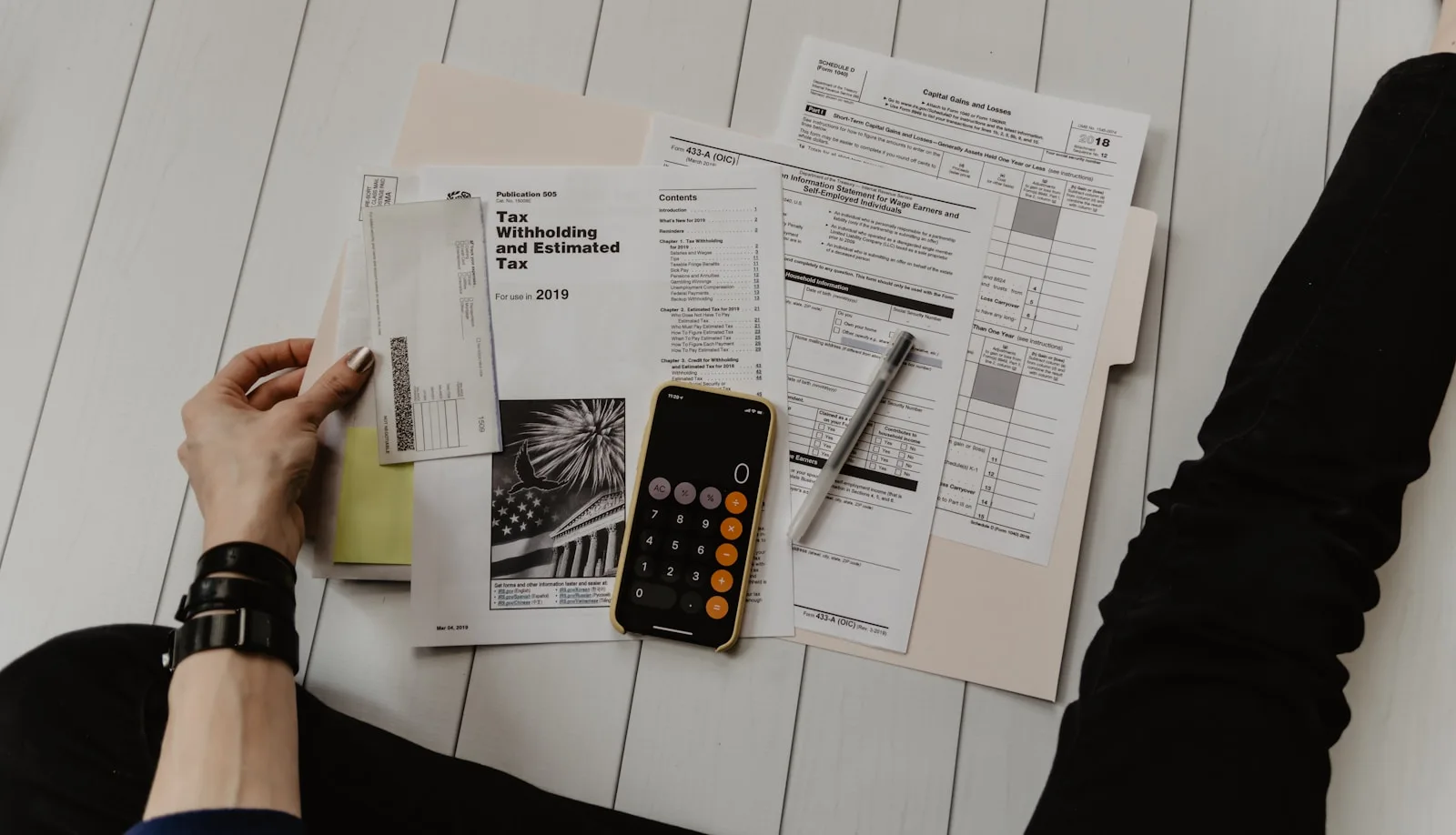
The purchase price is just the beginning. We explain the monthly 'Hausgeld' you pay to the community and the quarterly 'Grundsteuer' paid to the city.

Table of Contents
Owning a home in Germany comes with recurring fixed costs that are often higher than in other countries. When calculating your monthly budget, you must distinguish between operating costs aimed at the building maintenance and taxes paid to the government.
1. What is Hausgeld?
If you buy an apartment, you become part of a 'Wohnungseigentümergemeinschaft' (WEG). You must pay monthly 'Hausgeld' (housing allowance). This covers administration fees, cleaning, waste disposal, and crucially, the 'Instandhaltungsrücklage' (maintenance reserve fund). Always check the last 3 WEG meeting minutes to see if the reserve fund is full or empty.
Test this investment idea on your own address
Pick a location and enter the purchase price. We'll prepare rental yield, cash flow, tax impact, and the cost breakdown as a private report.
2. Property Tax (Grundsteuer)
Every property owner pays tax to the municipality, usually quarterly. Note that a major 'Grundsteuerreform' (Property Tax Reform) has taken place, and new rates apply from 2025 onwards. The amount depends on the property value and the local municipality's tax rate (Hebesatz).