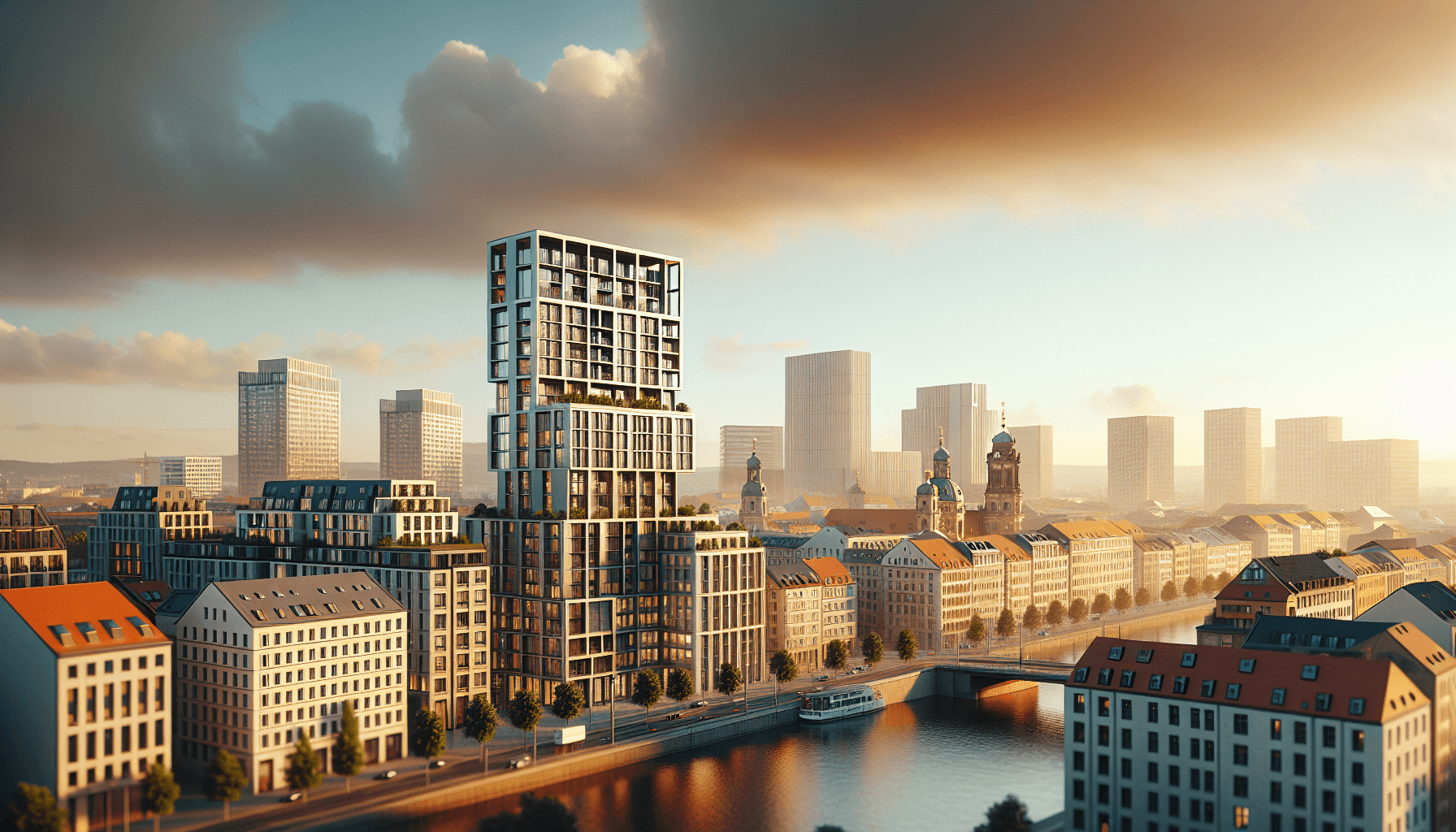
Step by Step: Investing in Immobilien in Dresden and Leipzig in 2025
Learn how to invest in Immobilien in Dresden and Leipzig with step-by-step instructions, realistic calculations, and common pitfalls to avoid in 2025.
InvestBud Team
Investment Analysts
Why Immobilien in Dresden and Leipzig Are Underrated Markets in 2025
In my analysis of over 200 properties across Germany, Dresden and Leipzig stand out for their attractive prices and growing demand. In 2025, average purchase prices in Dresden hover around EUR 3,200 per sqm, while Leipzig offers slightly lower prices at about EUR 2,800 per sqm.
Despite their East German location, these cities provide rental yields between 4.5% and 5%, outperforming many Western markets. Understanding these dynamics is key before you invest.
Test this investment idea on your own address
Pick a location and enter the purchase price. We'll prepare rental yield, cash flow, tax impact, and the cost breakdown as a private report.
Step 1: Analyze Purchase Prices and Rental Yields
Start by comparing average purchase prices and rental incomes. For example, a 70 sqm apartment in Leipzig might cost EUR 196,000 (70 sqm × EUR 2,800), with monthly rent around EUR 750. That yields roughly 4.6% annually (9,000 EUR rent / 196,000 EUR price).
Use the rental yield calculator to verify your numbers and adjust for ancillary costs like property tax and maintenance.
Gather data on prices per sqm and typical rents
Calculate gross rental yield (annual rent / purchase price)
Adjust for ancillary costs (approx. 10-15%) to find net yield
Step 2: Factor in Ancillary Costs and Financing
Ancillary costs can add around 12% to your purchase price. This includes 3.5% Grunderwerbsteuer (property transfer tax) in Saxony, notary, and agent fees.
For a EUR 200,000 property, expect about EUR 24,000 extra in fees. Financing will impact your cash flow; use the mortgage calculator to estimate monthly payments based on your loan terms.
Calculate ancillary costs (approx. 12% of purchase price)
Estimate mortgage costs using loan amount, interest rate, and term
Include monthly costs like property management and repairs
Step 3: Calculate Your Expected Cash Flow and ROI
Subtract monthly mortgage, ancillary costs, and operating expenses from your rental income to find your net cash flow. A Leipzig property with EUR 750 rent, EUR 400 mortgage, and EUR 100 expenses yields EUR 250 monthly.
Annualized, that’s EUR 3,000 net income. Divide by your total investment (purchase price plus ancillary costs) to find ROI. For a EUR 224,000 investment, this equals about 1.3%, typical for conservative financing.
Step 4: Avoid Common Mistakes When Investing in Dresden and Leipzig
One common error is underestimating renovation costs in older East German buildings. In 2024, I learned this firsthand with a Dresden property requiring EUR 15,000 more than planned.
Another pitfall is ignoring Mietpreisbremse regulations, which limit rent increases and affect income projections. Always verify the legal rent cap and consult local regulations.
Lastly, avoid overlooking the Spekulationsfrist - selling within 10 years can trigger capital gains tax if the property was not owner-occupied.
Account for renovation overruns in your budget
Check Mietpreisbremse to avoid rent overestimation
Respect Spekulationsfrist to avoid unexpected taxes
Step 5: Use Investbud’s Tools to Refine Your Investment Plan
Investbud offers a suite of calculators to personalize your analysis. Combine the rental yield calculator, mortgage calculator, and the general investment calculators to simulate scenarios.
Refer to city-specific insights for Dresden and Leipzig to understand neighborhood trends and price evolution.
Frequently Asked Questions
What is the average rental yield in Dresden and Leipzig in 2025?
Rental yields typically range from 4.5% to 5% in both cities, depending on the district and property type. Leipzig often offers slightly higher yields due to lower purchase prices.
How much should I budget for ancillary costs when buying property in these cities?
Ancillary costs, including Grunderwerbsteuer (3.5% in Saxony), notary, and agent fees, usually add around 12% to your purchase price. Planning for these ensures a realistic investment budget.
Are there legal restrictions on rent increases in Dresden and Leipzig?
Yes, Mietpreisbremse applies in many areas, limiting rent increases to protect tenants. It's essential to check if your property falls under these regulations before setting rent prices.
What financing options are recommended for first-time investors in these markets?
Conservative financing with a 20-30% down payment and fixed interest rates around 3-4% is common. Using mortgage calculators helps you find affordable monthly payments aligned with rental income.
How does the Spekulationsfrist impact selling property in Dresden or Leipzig?
If you sell a property within 10 years of purchase and it was not owner-occupied, capital gains tax applies to the profit. Holding beyond this period makes your sale tax-free.
Start calculating your potential Immobilien investment in Dresden or Leipzig now with Investbud’s calculators and take the first step toward a profitable property portfolio.
Written by
InvestBud Team
Our team of investment analysts brings you data-driven insights on the German real estate market. We combine financial expertise with local market knowledge to help you make smarter investment decisions.
Test this investment idea on your own address
Pick a location and enter the purchase price. We'll prepare rental yield, cash flow, tax impact, and the cost breakdown as a private report.
Continue Reading
More Insights
Repayment 1, 2 or 3 Percent: The Right Strategy for Your Investment Property
Compare repayment rates of 1%, 2% and 3% for investment properties with concrete numbers, interest calculations, use financing examples and bank negotiation tips.
What Is an Annuitized Mortgage? Simply Explained for Property Investors
Annuitized mortgage explained for investors: learn how the fixed payment splits into interest and principal, see concrete calculations, and use practical tools.
How Much Equity Do You Really Need for Property Investment in 2026?
Concrete financing advice for 2026: exact interest and repayment calculations, equity-debt examples, and steps to improve bank conditions for property investments.